
Projects
Infrastructure Development
Projects
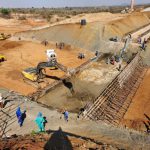
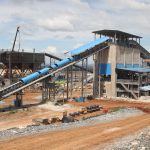
Infrastructure projects under the National Development Strategy 1 (NDS1) in Mashonaland East Province, Zimbabwe, are expected to have significant positive impacts on the community. Infrastructure projects in Mashonaland East Province are poised to transform the region by improving connectivity, creating jobs, enhancing access to basic services, and boosting economic growth.
Here are some of the key impacts of infrastructure projects in the province:
Road Construction and Rehabilitation Projects like the upgrading of major roads (e.g., Harare-Mutare highway passing along Goromonzi, Marondera and Murehwa Districts) and rural roads improve connectivity, reduce travel time, and lower transportation costs. This will enhance access to markets, healthcare, and education for rural communities. Better roads facilitate the movement of goods and services, boosting trade and attracting investment to the province.
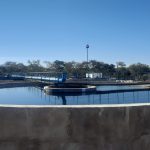
Water and Sanitation infrastructure projects focusing on water supply and sanitation will improve access to clean water, reducing waterborne diseases and improving public health (e.g., Chivhu dam and water treatment plant in Chikomba district)
Electrification of rural areas and the expansion of renewable energy projects will provide reliable power to households, schools, and businesses, fostering economic activities and improving quality of life. (e.g., Presidential Solarization Scheme across the province ).
Infrastructure projects create temporary jobs during the construction phase, providing income for local communities. Improved infrastructure attracts businesses and industries, creating long-term employment opportunities in sectors like agriculture, manufacturing, and tourism. (e.g., Proton Bakeries in Marondera).
The development of irrigation schemes (e.g., Muchekeranwa Dam Irrigation in Marondera) supports agricultural productivity, reduces reliance on rain-fed agriculture, and enhances food security. Processing and storage facilities enable farmers to transport and store their produce more efficiently, reducing post-harvest losses and increasing incomes (eg, Mutoko Royal Fruit and Vegetable Plant in Mutoko District).
Improved tourism Infrastructure and development of tourist attractions and recreational facilities in Mashonaland East has boosted tourism revenue and job creation in hospitality, transport, and retail sectors. (eg, Suskwe lodges in Mutoko, Bernard Mizeki in Marondera and mountain climbing and hiking in Goromonzi district).
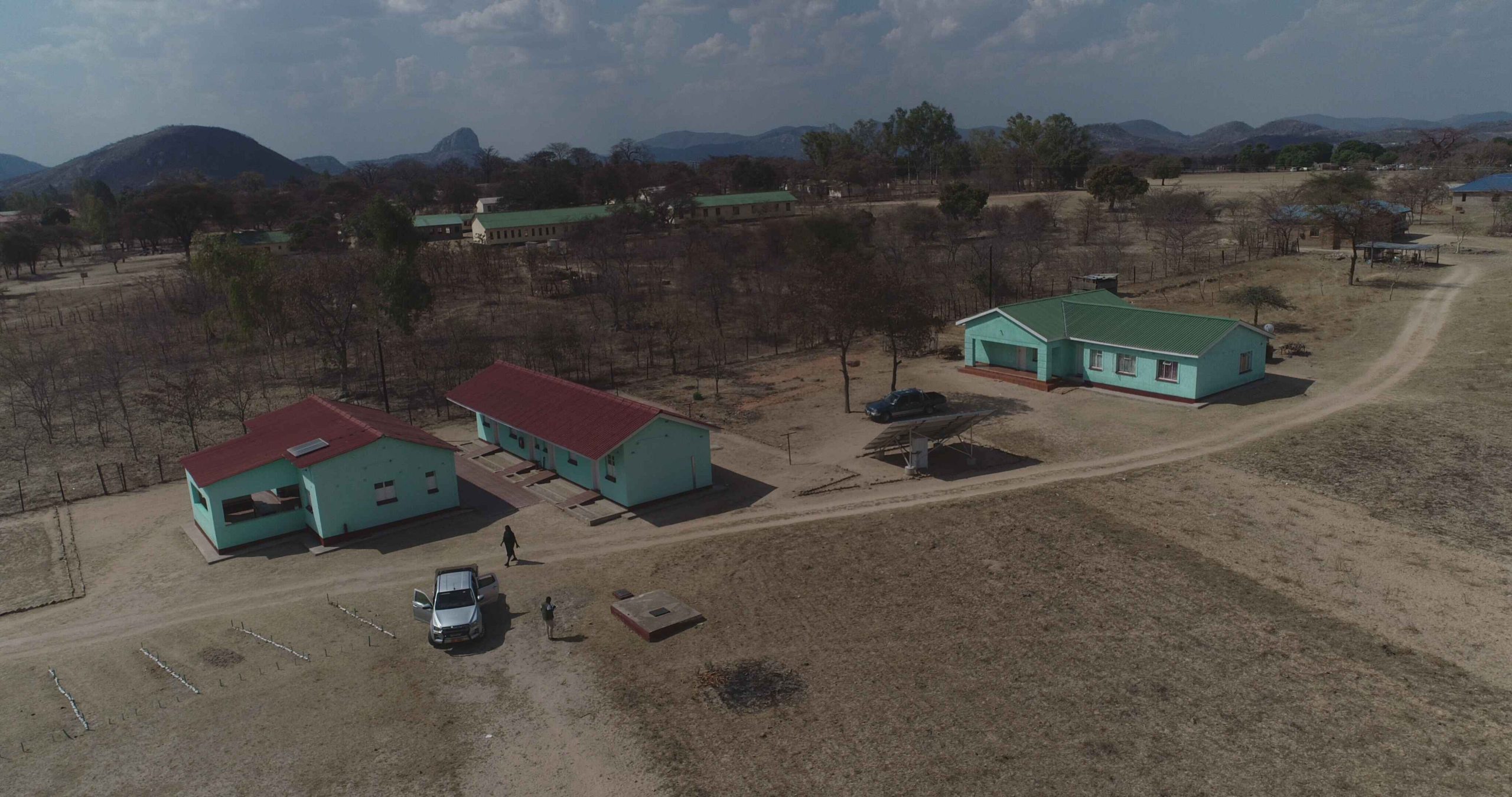
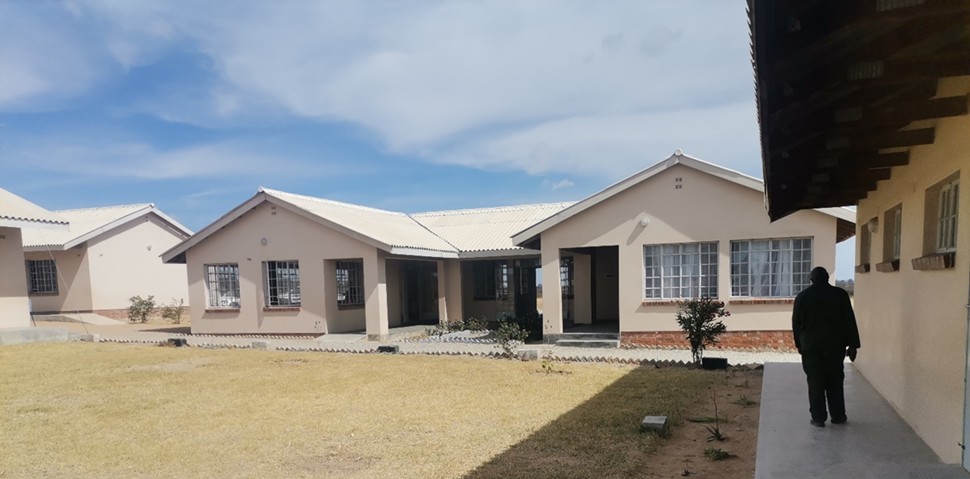
Improved infrastructure, such as the construction of schools and clinics, will enhance access to education and healthcare services, contributing to human capital development (eg, Provincial Devolution Projects). Infrastructure projects often involve community participation, empowering locals, and fostering a sense of ownership (Community Village Business Units).
Improved transport links will facilitate cross-border trade with neighboring countries like Mozambique, boosting economic activity in the province. The province’s strategic location could position it as a logistics hub, attracting investment and creating jobs.
The Second Republic of Zimbabwe, which began in 2018, has seen various developments in Mashonaland East Province, including infrastructure improvements, agricultural advancements, and economic initiatives aimed at boosting local economies. The government has prioritized road construction and rehabilitation projects, enhancing transportation networks. Additionally, efforts in agrarian reform and investment in irrigation projects have been implemented to improve food security and support the livelihoods of farmers in the region. However, challenges such as economic instability and political issues continue to affect these developments.
Classification of Projects
PSIP Projects:
These projects are government-initiated and primarily funded through the national budget. They aim to support socio-economic development by investing in infrastructure, public services, and other key areas that align with the government’s policy priorities. PSIP projects are typically long-term and focus on enhancing the country’s overall growth. Mashonaland East Province has been instrumental in driving development and improving livelihoods. These projects not only enhance food security but also contribute to economic growth and community empowerment.
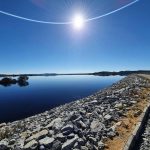
Funded under PSIP, has transformed the region by providing clean water, supporting irrigation schemes, and enabling fisheries projects. This dam has a holding capacity of 26 million cubic meters and supports 120 hectares of irrigable land, benefiting local farmers and boosting agricultural productivity.
Focuses on irrigation technology development and training, ensuring sustainable agricultural practices.
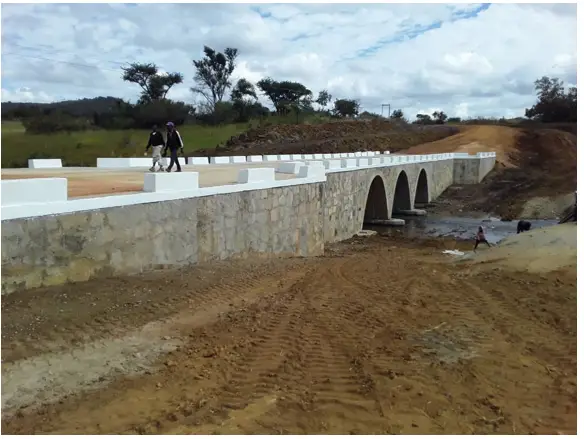
The Chikomba Rural District Council has been working on grading and rehabilitating roads such as the Ngezi bridge-Charter, old Charter-Marondera, and Charter-Harare roads.
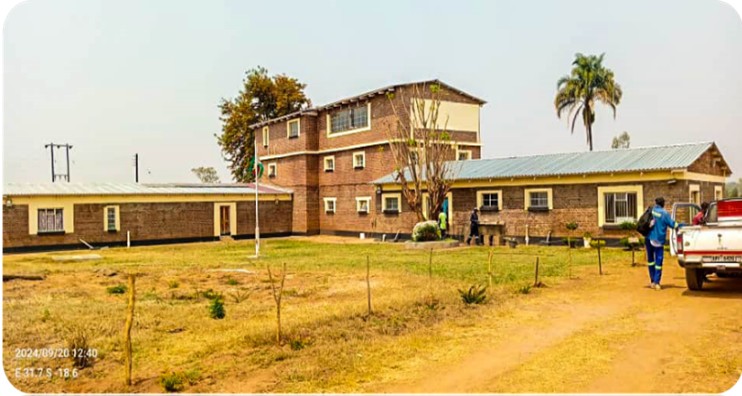
Construction of 15 clinics across the district to ensure residents have access to health facilities within reasonable walking distances
Building classroom blocks in various wards to improve educational facilities.
Chivhu Dam is almost complete and will enhance water provision in Chivhu town. It supports irrigation agriculture, benefiting local farmers.
Devolution Projects:
Devolution projects in Mashonaland East Province focus on improving local governance, infrastructure development, and enhancing service delivery. These initiatives typically include the establishment of local councils, community engagement in development projects, and allocation of resources to empower local authorities. Specific projects may vary over time and often depend on government policies and available funding.
Private / Donor Funded Projects:
Devolution projects in Mashonaland East Province focus on improving local governance, infrastructure development, and enhancing service delivery. These initiatives typically include the establishment of local councils, community engagement in development projects, and allocation of resources to empower local authorities. Specific projects may vary over time and often depend on government policies and available funding.
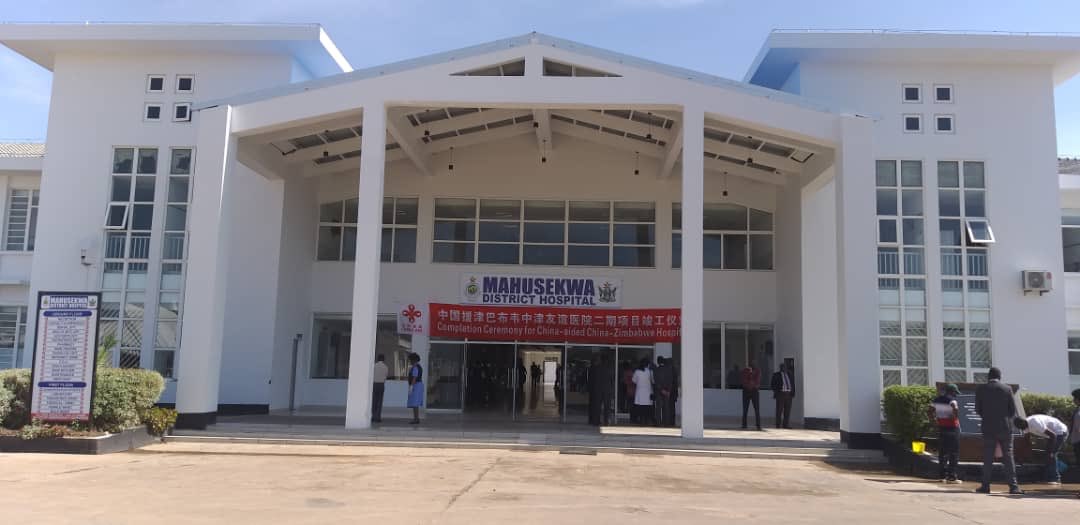
Mahusekwa Hospital.
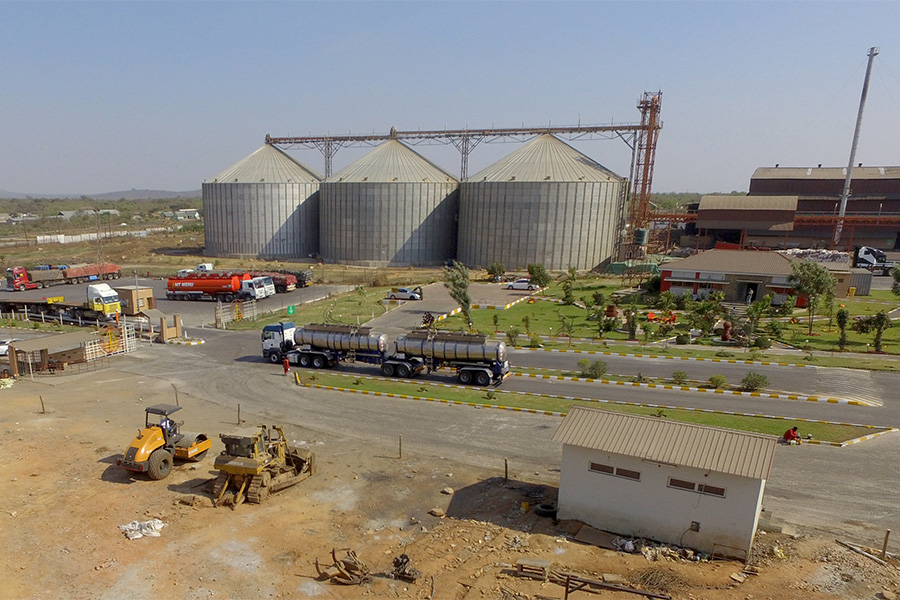
Mt Meru Cooking Oil processing
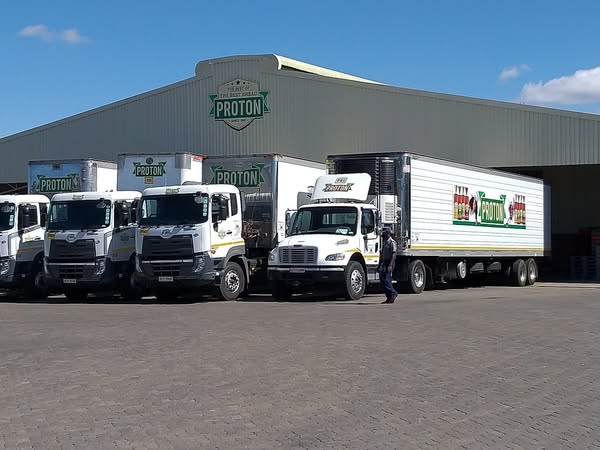
Proton Bakery Factory
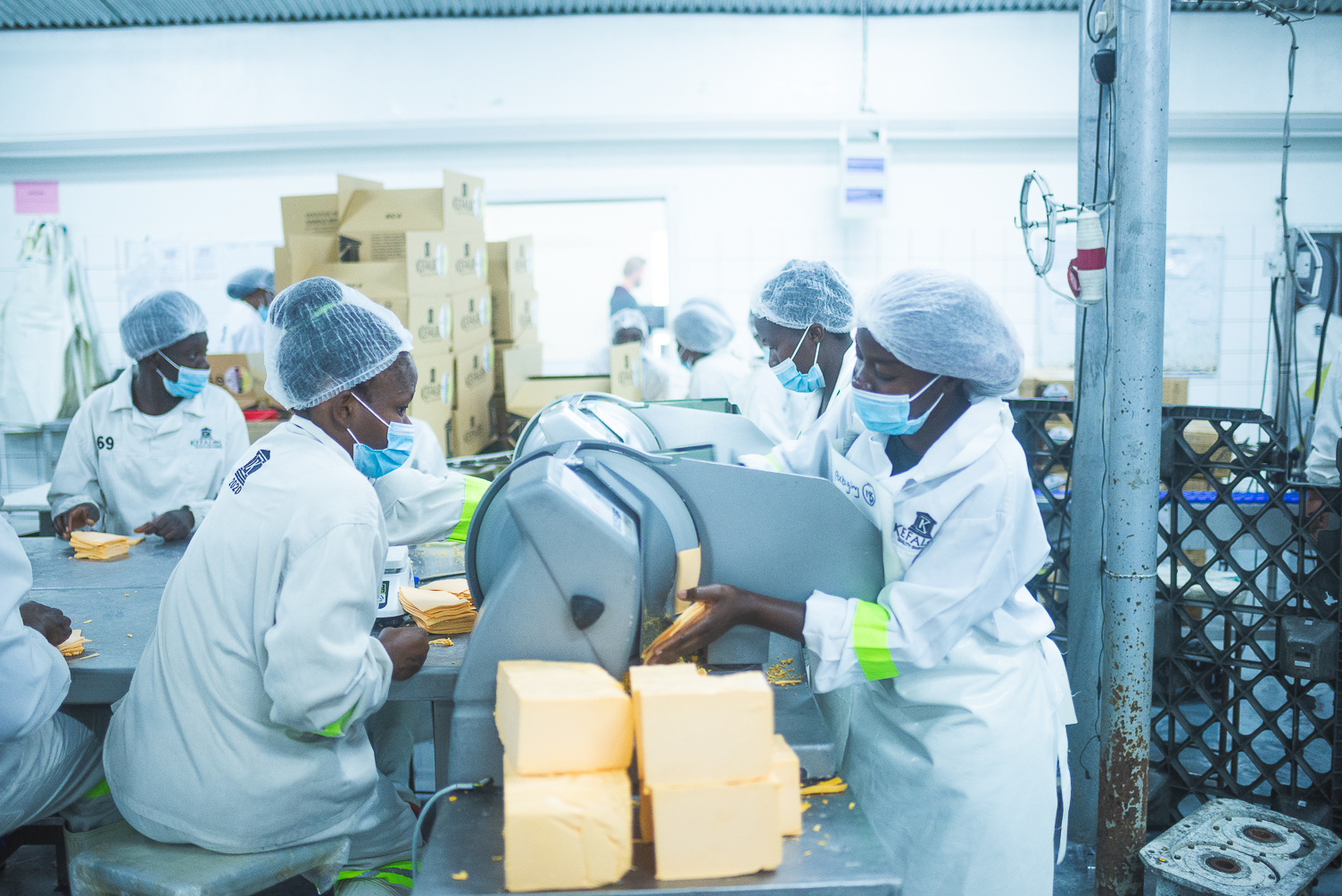
Kefalos Dairy Production

Surrey Meat Processing
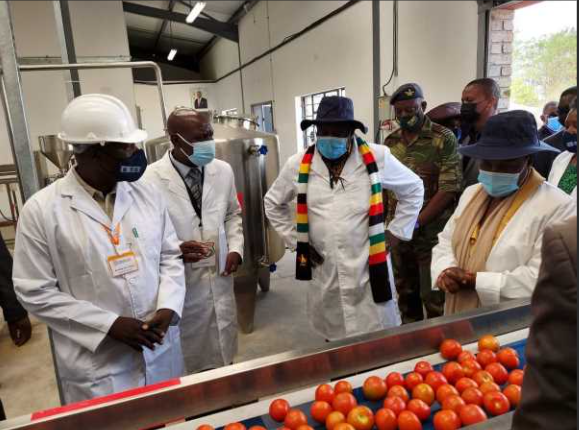
Mutoko Vegetable Processing
Do you have a question?
Please visit our frequently asked questions section for assistance, call or write to us on email.